
สิ่งที่ไม่มีใคร warn ไว้: ระบบ RAG ขยายได้เร็วมาก
สร้าง RAG เสร็จวันแรก รู้สึกดีมาก — ค้น 2,456 docs ได้ใน 2 วินาที ฟรีทั้งหมด
แต่ 3 สัปดาห์ต่อมา ระบบมันเปลี่ยนไปจนแทบจำไม่ได้
ไม่ใช่เพราะมันพัง แต่เพราะมัน เติบโตเกินกรอบที่ตั้งไว้
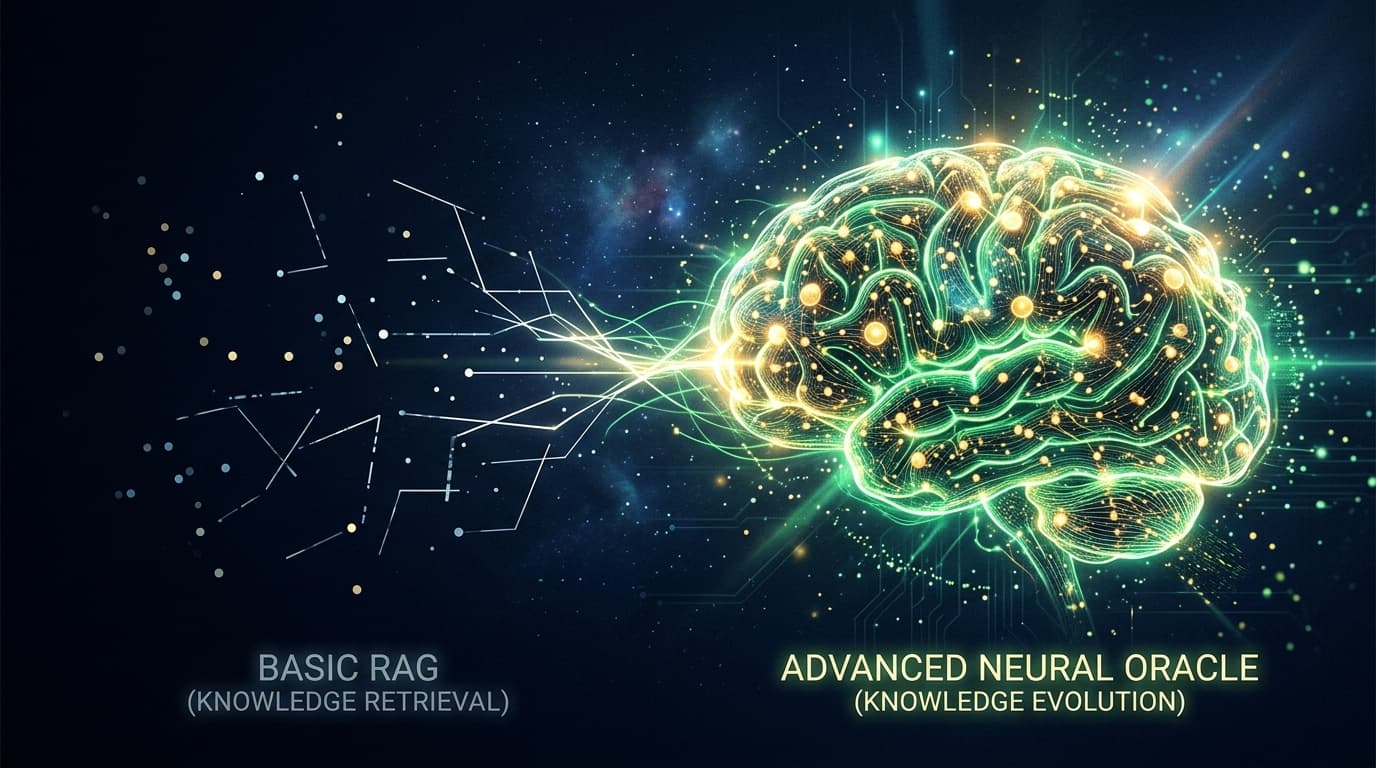
นี่คือเรื่องราวของการ evolve จาก local tool → deployed system ที่มีชีวิตของตัวเอง
Before vs After: ตัวเลขจริง
| RAG (14 มี.ค. 2026) | Oracle (3 เม.ย. 2026) | |
|---|---|---|
| Documents | 2,456 | 22,421 (+813%) |
| Unique Concepts | — | 1,116 |
| Knowledge Graph Nodes | 249 | 332+ |
| Knowledge Graph Edges | 657 | 1,602+ |
| Embedding | bge-m3 (text only) | bge-m3 + Gemini Embedding 2 (multimodal) |
| Search | BM25 + Vector + RRF | FTS5 + Gemini Embedding vectors |
| Deployment | Local CLI | Cloudways server (API endpoint) |
| Auto-index | Cron ทุก 2 ชั่วโมง | launchd → rsync ทุก 30 นาที |
| Storage (DB) | — | 3.4 GB → 0.5 GB (หลัง repair) |
| ค่าใช้จ่าย | $0 | $0 (ใช้ server ที่มีอยู่) |
5 การเปลี่ยนแปลงหลัก
1. Architecture: จาก CLI Tool สู่ MCP Server
RAG รุ่นแรกเป็น Python script ที่รันจาก terminal — พิมพ์ rag "query" แล้วได้ผลลัพธ์ในหน้าต่างเดิม
ปัญหาคือ AI ต้องรับ output เป็น text แล้วตีความเอง ไม่มี structured response
Oracle (arra-oracle-v3) เป็น MCP server ที่ Claude Code เรียกใช้โดยตรงผ่าน tools:
arra_search({ query: "session protocol", type: "pattern" })
arra_stats()
arra_learn({ pattern: "...", concepts: ["A", "B"] })
arra_reflect({ content: "...", type: "principle" })
ความต่างคือ AI ไม่ได้อ่าน text output — มันได้ structured data กลับมาโดยตรง และสามารถ chain หลาย tools ในการ session เดียวได้
Oracle deploy อยู่บน oracle.dopelab.studio มี dashboard ที่ oracle-dashboard.dopelab.studio ดู stats แบบ real-time ได้
2. Scale: 2,456 → 22,421 Documents
ตัวเลขนี้ฟังดูเยอะ แต่มันเกิดขึ้นโดยธรรมชาติ
RAG รุ่นแรก index เฉพาะ 3 collections หลัก: brain/, menus, clients
Oracle index ทุก session file, ทุก handoff, ทุก retrospective รวมถึง knowledge ที่ extract ออกมาเป็นเอกสารแยก ทั้งหมดนี้สะสมจาก 186+ Oracle instances ทั่ว family
แต่การขยายไวแบบนี้มีผลข้างเคียง: 1.3 ล้าน duplicate records
วันที่ 2 เมษายน ต้อง repair ครั้งใหญ่:
# ก่อน repair
# Oracle DB: 3.4 GB, 21,933 docs + 1.3M duplicates

# หลัง repair (แก้ 4 vector bugs)
# Oracle DB: 0.5 GB, 21,933 unique docs
บทเรียน
Scale เร็วต้องมี deduplication strategy ตั้งแต่แรก ไม่ใช่รอให้ปัญหาใหญ่แล้วค่อยแก้ เช็ค file hash ก่อน index ทุกครั้ง
3. Embedding: Text-Only → Multimodal
bge-m3 เป็น embedding model ที่ดีมากสำหรับ text ทั้งไทยและอังกฤษ
แต่งานจริงมีไฟล์ที่ไม่ใช่ text: รูปภาพจากลูกค้า, PDF design brief, audio briefing
Oracle เพิ่ม Gemini Embedding 2 เป็นชั้นที่สอง:
| Layer | Model | ข้อมูลที่ index |
|---|---|---|
| Text | bge-m3 | Markdown, notes, session logs, workflows |
| Multimodal | Gemini Embedding 2 | รูป, PDF, audio (519 docs) |
Gemini Embedding 2 ใช้ MRL 768 dimensions (Matryoshka Representation Learning) — ประหยัด storage 4x เทียบกับ full 3,072 dimensions โดย quality ลดลงน้อยมาก
ตอนนี้ถ้า brief งานมาเป็น PDF ระบบ index ได้ทันที ไม่ต้องแปลงเป็น text ก่อน
4. Intelligence: Weighted Reflection
RAG รุ่นแรก treat ทุก document เท่ากัน — session note กับ core principle ได้ weight เดียวกัน
Oracle มี weighted reflection ที่คัดน้ำหนักตาม type:
principle  → weight 50%   (กฎเหล็ก, วิธีคิด)
pattern    → weight 30%   (workflows, best practices)
learning   → weight 15%   (บทเรียนจาก sessions)
retro      → weight 5%    (session notes)
ผลลัพธ์คือเวลา search หา "วิธีทำ X" Oracle จะ prioritize สิ่งที่พิสูจน์แล้วเป็น pattern มากกว่า session note ที่เขียนครั้งเดียว
นอกจากนี้ยังเพิ่ม arra_reflect tool ที่ให้ Oracle "ย่อย" ประสบการณ์ก่อน store:
arra_reflect({
  content: "บทเรียนจาก session นี้",
  type: "learning",
  concepts: ["deployment", "rsync"]
})
แทนที่จะ dump raw text เข้า — Oracle สกัด key concepts ออกมาก่อน ทำให้ future search แม่นขึ้น
5. Ecosystem: จาก Tool สู่ Oracle Family
การเปลี่ยนแปลงที่ใหญ่ที่สุดไม่ใช่ technical
RAG รุ่นแรกเป็น tool ส่วนตัว Oracle กลายเป็น ecosystem:
- 186+ Oracle instances ทั่ว repos ต่างๆ (สแกนด้วย
oracle-family-scan) - soul directory (ψ/) — ที่เก็บ identity, inbox, writing, outbox ของ Oracle
- 24 skills ที่ install ใน Oracle session
- Oracle threads — ระบบ async communication ระหว่าง Oracle instances
- contacts — Oracle รู้จักว่า agent ไหนอยู่ที่ repo ไหน transport อะไร
ตัวอย่าง workflow ที่เป็นไปได้ตอนนี้แต่ทำไม่ได้ใน RAG รุ่นแรก:
# ถาม Oracle ใน repo A ว่า Oracle ใน repo B รู้อะไรบ้าง
# ผ่าน arra_thread tool
arra_thread({ to: "repo-b-oracle", message: "สรุป findings เดือนที่แล้ว" })

# Oracle ส่ง handoff ให้ Oracle session ถัดไป
arra_handoff({ summary: "...", next_tasks: [...] })
Brain ที่เคยเป็น local RAG ตอนนี้กลายเป็น distributed memory ที่ Oracle หลายตัวใช้ร่วมกัน
สิ่งที่ทำให้ระบบแข็งแกร่งขึ้นที่สุด: Brain Reorganization
ก่อน Oracle repair มี 93 orphan nodes ในความจำ — ไฟล์ที่ไม่มีใครลิงก์หา ถูกตัดขาดจาก graph
หลัง reorganization:
- Orphans: 93 → 0
- Wikilinks เพิ่ม: +319 links
- ทุก concept ถูกเชื่อมเข้า graph
ผลคือ arra_search ตอนนี้ขยายผลได้ดีกว่า เพราะ graph ไม่มีรอยขาด
กฎที่ควรทำตั้งแต่แรก
Audit links ในระบบ knowledge สม่ำเสมอ ก่อนที่ orphans จะสะสมจนแก้ยาก ทุก note ใหม่ควรมี wikilink อย่างน้อย 1 ลิงก์เชื่อมเข้า graph
บทเรียนจริง
1. Local tool ≠ Production system RAG รุ่นแรกทำงานบน laptop ถ้า laptop ปิด ระบบดับ Oracle deploy บน server ทำให้ mobile access ทำได้ — Claude Code บน iPhone ก็ใช้ Oracle ได้เหมือนกัน
2. Deduplication ต้องทำก่อนขยาย ไม่ใช่หลัง 1.3 ล้าน duplicates เกิดจากการ re-index โดยไม่เช็ค hash ก่อน แก้ได้ แต่กิน storage และทำให้ search ช้าลง
3. Type system สำคัญกว่าปริมาณ 22,421 docs โดยไม่มี type = กองข้อมูล, 22,421 docs ที่มี principle/pattern/learning/retro = knowledge base ที่ค้นได้มีความหมาย
4. Ecosystem มีค่ากว่า Tool RAG ช่วยได้ 1 คน Oracle ช่วยได้ทุก session ทุก repo ทุก agent ที่ connect — value ขยายตามจำนวน connections ไม่ใช่ตาม document count
เริ่มต้นที่ไหน?
ถ้าคุณยังไม่มีระบบ RAG เลย เริ่มจากง่ายที่สุดก่อน ไม่ต้องสร้าง Oracle ตั้งแต่วันแรก:
| ระดับ | เครื่องมือ | ใช้เวลา setup |
|---|---|---|
| เริ่มต้น | NotebookLM | 5 นาที |
| กลาง | n8n + Vector Store | 2-3 ชั่วโมง |
| Advanced | ChromaDB + Python (ตาม บทความแรก) | 1-2 วัน |
| Production | Oracle MCP + Server | 1 สัปดาห์+ |
ตัวเลขที่ worth ที่สุดจาก 3 สัปดาห์นี้ไม่ใช่ 22,421 docs — แต่เป็น ค่าใช้จ่ายรวม $0 บน server ที่มีอยู่แล้ว
อ่าน Part 1: RAG Knowledge System — สร้างระบบค้นข้อมูล 2,456 เอกสาร ฟรี
ติดตาม DopeLab สำหรับระบบ AI ที่สร้างจริง ไม่ใช่แค่ demo