
The Problem Nobody Talks About: AI Agents That Work "Almost Every Time"
Our AI agent kept failing at the same things, over and over:
- Forgot to create a blog cover image
- Forgot to create the English version of the blog post
- Used the wrong voice-over model (v2 instead of eleven_v3)
- Manga images placed outside the safe zone
- Never verified whether deployed URLs actually worked
Every time it failed, I patched it — added instructions to the prompt, added rules to the memory file, added sections to CLAUDE.md.
It still failed. Every single time.
Then I watched Andrej Karpathy explain the "March of Nines" and everything clicked.
March of Nines — The Math That Explains Why Agents Break
Karpathy's explanation is simple: suppose your AI agent has 90% accuracy per step. Sounds good, right?
But if your workflow has 10 steps:
90% × 90% × 90% × ... (10 times) = 0.9^10 = 34.9%
Overall success rate = just 35%!
Run it 10 times a day, and more than 6 runs will fail. This is the "March of Nines":
| Accuracy per step | 10-step result | What that means |
|---|---|---|
| 90% | 0.9^10 = 35% | 6-7 failures per day |
| 99% | 0.99^10 = 90% | ~1 failure per day |
| 99.9% | 0.999^10 = 99% | 1 failure every 10 days |
| 99.99% | 0.9999^10 = 99.99% | 1 failure every 100 days |
Each additional "nine" requires as much engineering effort as everything before it combined.
Why Prompts, Memory Files, and CLAUDE.md Aren't Enough
Agent skills — whether Anthropic's plugins or markdown instruction files — are fundamentally just prompts.
You're:
- Hoping it reads the instructions
- Hoping it doesn't skip steps
- Hoping it doesn't hallucinate that it already did the work
SkillsBench evaluated 84 popular skills across all models and found that while skills do improve pass rates, the overall success rates are nowhere near what a business would need to reliably operate at scale without human oversight.
Karpathy's exact point
Agent skills are essentially just prompts. You're baking your process into a message to the AI and you're hoping that it adheres to the instructions, hoping it doesn't hallucinate, quit early, skip steps.
The Solution: Validation Harness — Put AI on Rails
Instead of hoping the AI does the right thing — force it.
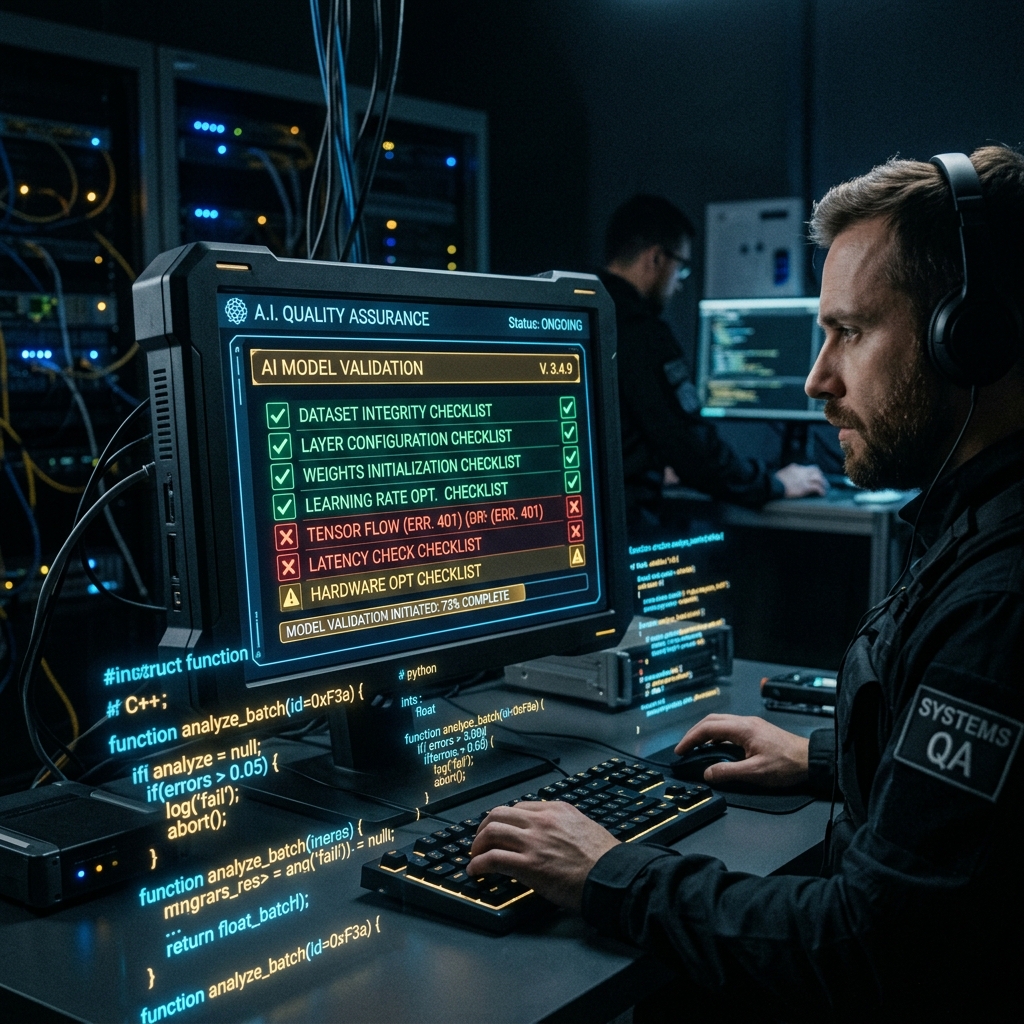
A harness is a software layer that wraps around the AI and:
- Gates — must pass validation before moving to the next step
- Verifies — doesn't ask the AI "did you do it?" — checks whether the file exists, the URL returns 200
- Blocks — if it fails, stop. Don't proceed until fixed.
Real Example: DopeLab's content-harness.py
We built content-harness.py with 32 validation checks across 7 phases:
Phase 1: Source Files
Check that caption files and carousel HTML actually exist. Don't ask the AI "did you create them?" — look at the filesystem.
Phase 2: Images
- Does the single image exist?
- Does the carousel background exist?
- Are carousel PNGs exported (5+ slides)?
- Does the video cover exist (within safe zone)?
- Are manga scenes complete (5+ frames)?
Phase 3: Audio
- Does the voice-over audio file exist?
- Does the Whisper timestamp JSON exist?
Phase 4: Video
- Has the final video been concatenated with the outro?
Phase 5: Blog (Prove It)
This is the most critical phase — not just "did you create the file" but "prove it's actually deployed and accessible":
- Does the TH blog MDX file exist?
- Does it have a
cover:in frontmatter? - Does the cover image file exist at the referenced path?
- Does the EN blog MDX file exist?
- Does the TH URL return HTTP 200? (not 404)
- Does the EN URL return HTTP 200?
Phase 6: Publish Status
- Video published to Facebook and Instagram?
- Single image published to Facebook and Instagram?
- Does the Facebook caption include the full blog URL?
- Supabase content_items updated?
- Brain session note logged?
- Slack alert sent?
- Google Drive uploaded?
Phase 7: Quality Gates
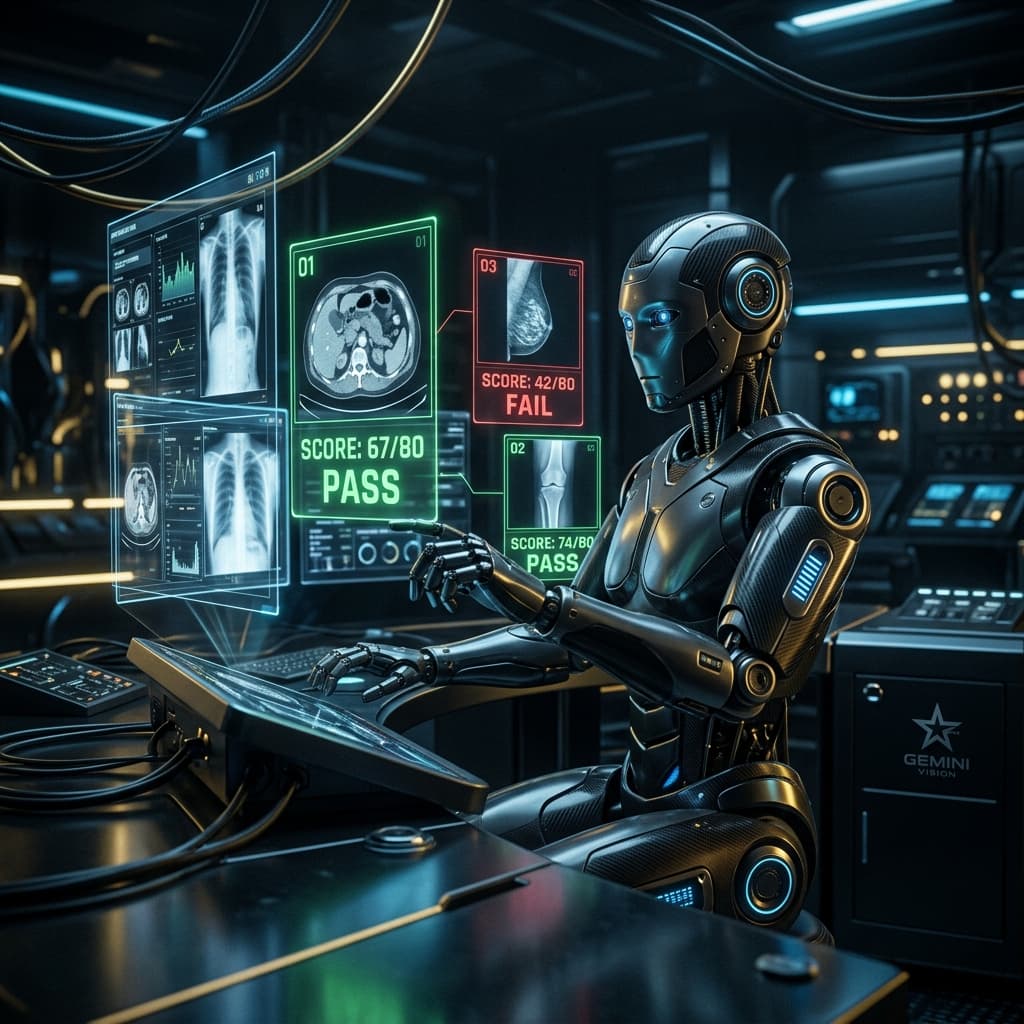
- Vision eval: single image score >= 50/80
- Cover passes safe zone analysis
- Manga scene average score >= 25/30
- VO model is eleven_v3 (not v2!)
- No background overlay on manga frames
- Outro is 6 seconds and concatenated at the end
The Result: From "Failing Every Time" to 32/32 (100%)
Before the harness:
- Forgot cover images on every post
- Forgot EN versions 5 posts in a row
- Deployed without ever verifying URLs
- Used the wrong VO model 3 times
After the harness:
═══ Content Harness: DL-110 ═══
  Blog slug: karpathy-harness-validation

Phase 1: Source Files
  ✅ Caption file exists
  ✅ Carousel HTML exists

Phase 2: Images
  ✅ Single image exists
  ✅ Carousel BG exists
  ✅ Carousel PNGs exported (7 slides)
  ✅ Video cover exists
  ✅ Manga scenes (8)

Phase 3: Audio
  ✅ VO audio exists
  ✅ Fixed timestamp JSON

...

═══ Summary ═══
  32/32 passed (100%) — 0 failed
  🎉 ALL CHECKS PASSED — content PROVEN ready!
No more hoping. It's enforced.
Stripe Does the Same Thing — Just at Massive Scale
Stripe uses Claude Code to merge 1,300 pull requests per week. They built a harness called "Minions":
- Every AI-generated code change must pass a subset of their 3 million test suite before merge
- They don't just prompt the AI to write tests — they guarantee tests actually run
- Result: 1,300 PRs/week merged with confidence
The Key Principle
If you need something to happen every single time — codify it. Don't prompt it.
Prompt = hope. Harness = guarantee.
How to Build Your Own Validation Harness
Step 1: Log everything the AI has ever forgotten, skipped, or broken
Go through your history. Look at what keeps failing. For us it was:
- Missing cover images
- Missing EN translations
- Wrong VO model
- Unverified URLs
Step 2: Turn every failure into a programmatic check
Don't write "check for cover." Write code that actually checks:
cover_path = ink / f"content/posts/covers/{slug}.jpg"
check("Blog cover file exists", cover_path.exists())
Step 3: Group checks into phases
Organize by pipeline stages that must happen in order: Source → Images → Audio → Video → Blog → Publish → QA
Step 4: Block on failure
If any phase fails — stop. Report what failed and how to fix it:
if not condition:
    print(f"❌ {name}")
    print(f"  → fix: {fix_hint}")
    failed_total += 1
Step 5: Run the harness every time, not sometimes
A harness that's optional is no harness at all.
Every content piece must pass through the harness before it can be called "done."
Key Takeaways
Karpathy's March of Nines isn't just an interesting theory — it's the lived reality of anyone running AI agents in production.
Every step the agent must execute, every output it must produce, every file it must create — if you rely on prompts alone, it will fail.
Remember:
- 90% accuracy per step sounds great, but 10 steps = 35% success
- Prompts / memory / skills = "hoping it works"
- Validation harness = "guaranteeing it works"
- If you need it every time → codify it, don't prompt it